

Navigating Commercial Office Make Goods in Melbourne: A Practical Guide for Tenants and Landlords
(5 minute read)In Melbourne’s commercial property market, lease expiry often brings one major hurdle to the surface: the Make Good obligation. Whether you are a corporate tenant relocating your headquarters or a landlord preparing a commercial space for the next lease term, understanding and negotiating make good provisions is crucial to avoiding costly disputes and unexpected financial liabilities.
At LRM Property Advisory, we regularly assist commercial landlords, property managers, and corporate tenants across Victoria to navigate complex lease end requirements seamlessly.

Melbourne CBD - Unsplash
What is a Commercial "Make Good" Obligation?
A Make Good clause in a commercial lease specifies the tenant’s legal requirement to restore the leased office space to a defined condition before handing back the keys at the end of the tenancy.
Depending on the specific lease wording, make good obligations generally fall into three standard categories:
Standard Make Good / Strip-Out: Removing all tenant-installed fit-outs (partition walls, workstations, signage, meeting room pods, and custom joinery) and returning the space to a clean, vacant condition.
Base Building Reinstatement: Restoring the tenancy to its original "base building" shell layout. This includes resetting ceiling grids, base lighting, mechanical HVAC systems, and flooring back to baseline standards.
Financial Settlement: Negotiating a cash settlement in lieu of carrying out physical works, allowing the landlord to retain or modify existing fit-outs for prospective incoming tenants.
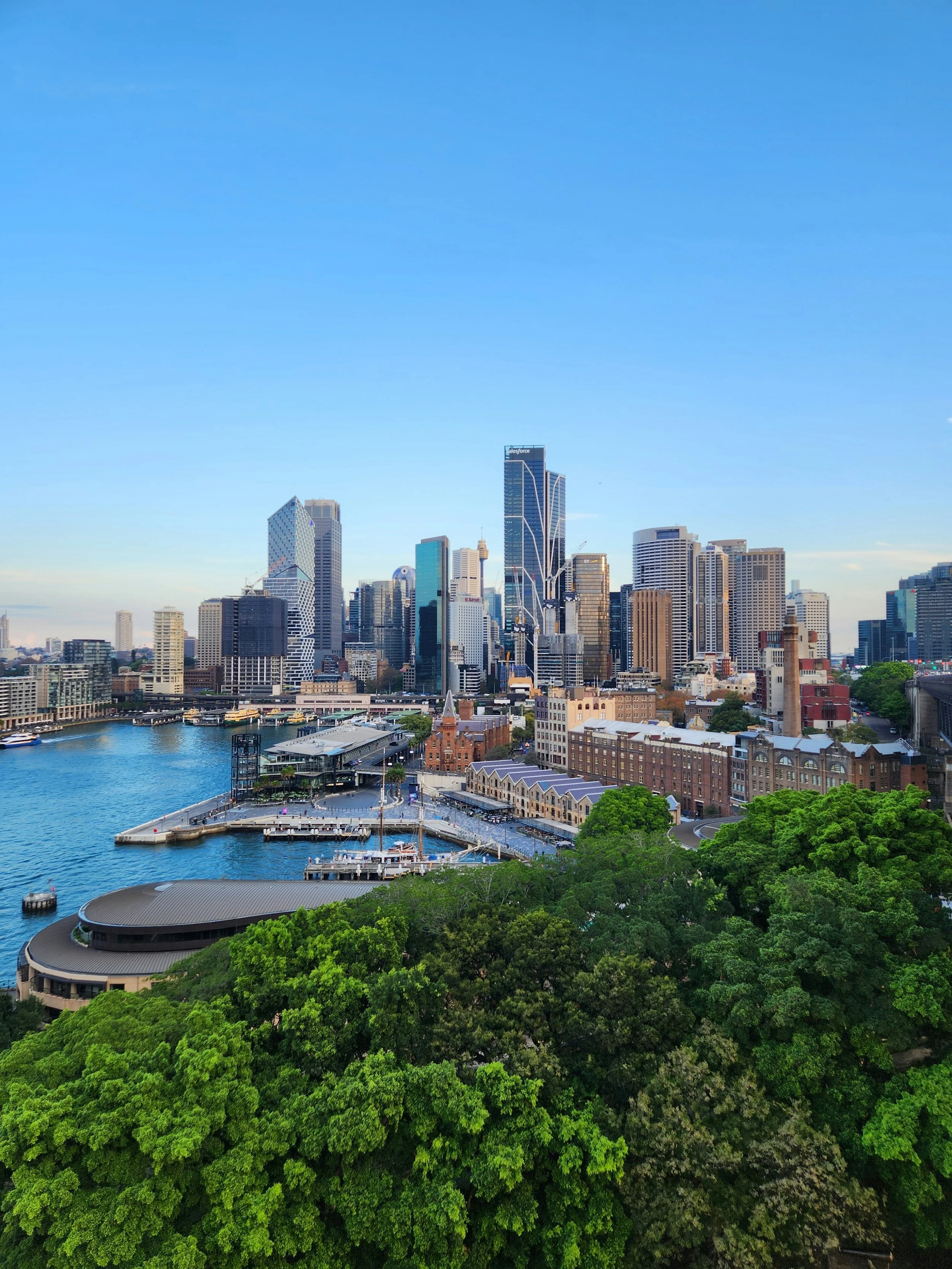
CBD View - Unsplash
4 Crucial Steps in the Make Good Process
To ensure a smooth transition and avoid end-of-lease friction, both parties should follow a structured approach well before the lease expiry date:
1.1. Review Lease Covenants & Schedule of Condition:6–12 months before lease exit.
Examine the initial lease contract, lease covenants, and the original Schedule of Condition prepared at lease commencement. This establishes baseline evidence of the property's initial state and clarifies whether "fair wear and tear" exceptions apply.
2.2. Conduct an Independent Assessment:3–6 months before lease exit.
Engage a property consultant to inspect the premises and prepare a formal Schedule of Dilapidations or Make Good Assessment. This details the exact scope of works, estimated costs, and required repairs.
3.3. Negotiate Scope vs. Cash Settlement:2–3 months before lease exit.
Determine whether physical strip-out works or a negotiated cash-in-lieu settlement makes the most economic sense for both parties. In high-demand Melbourne CBD office towers, landlords often prefer retaining modern high-quality fit-outs to attract new occupiers.
4.4. Execute & Certify Compliance:1 month prior to lease handback.
Complete physical works or finalize settlement agreements, ensuring all Essential Safety Measures (ESM)—such as fire sprinkler realignments, smoke detectors, and emergency lighting—are certified and compliant with Victorian building codes.

Office fitout - Unsplash
Common Make Good Pitfalls in Melbourne CBD Offices
Disagreements Over Services & Fire Safety: Altering partition walls during fit-out often displaces fire sprinklers, air conditioning ducts, and electrical circuits. Restoring these systems to base building layout requires specialized certified contractors and ESM compliance Sign-Offs.
Lack of Initial Documentation: Without a professional Schedule of Condition logged at the start of the lease, defining pre-existing damage versus tenant-caused damage becomes a drawn-out dispute.
Misjudging Timeframes: Stripping out a multi-floor CBD office takes weeks. If works overrun past the lease expiry date, tenants may be liable for holdover rent and damages.
How LRM Property Advisory Can Help
At LRM Property Advisory, our experienced commercial building consultants provide independent advice tailored to your commercial leasing goals:
Tenant Representation: Reviewing make good claims, minimizing cash settlement demands, and negotiating fair outcomes.
Landlord Representation: Drafting detailed Schedules of Dilapidations to ensure assets are properly reinstated and protected.
Schedule of Condition Reports: Creating photographic, detailed baseline documentation at the start of new leases to prevent future disputes.