

Making Good Sense: Demystifying Commercial Lease Make Good
(5 minute read)At the end of a commercial lease, few topics create as much friction—or carry as much unexpected financial risk—as Make Good obligations.
Whether you are a landlord looking to preserve asset value or a tenant preparing to vacate, "Make Good" defines your contractual requirement to restore a property to a specific condition upon lease expiry. Yet, despite thousands of commercial, industrial, and retail leases ending across Australia every year, Make Good remains one of the most misunderstood and contentious areas of commercial real estate.
As an independent property advisory firm delivering investor-grade technical due diligence across Victoria, LRM Property Advisory breaks down what commercial landlords and tenants need to know to manage lease-end restoration obligations effectively.
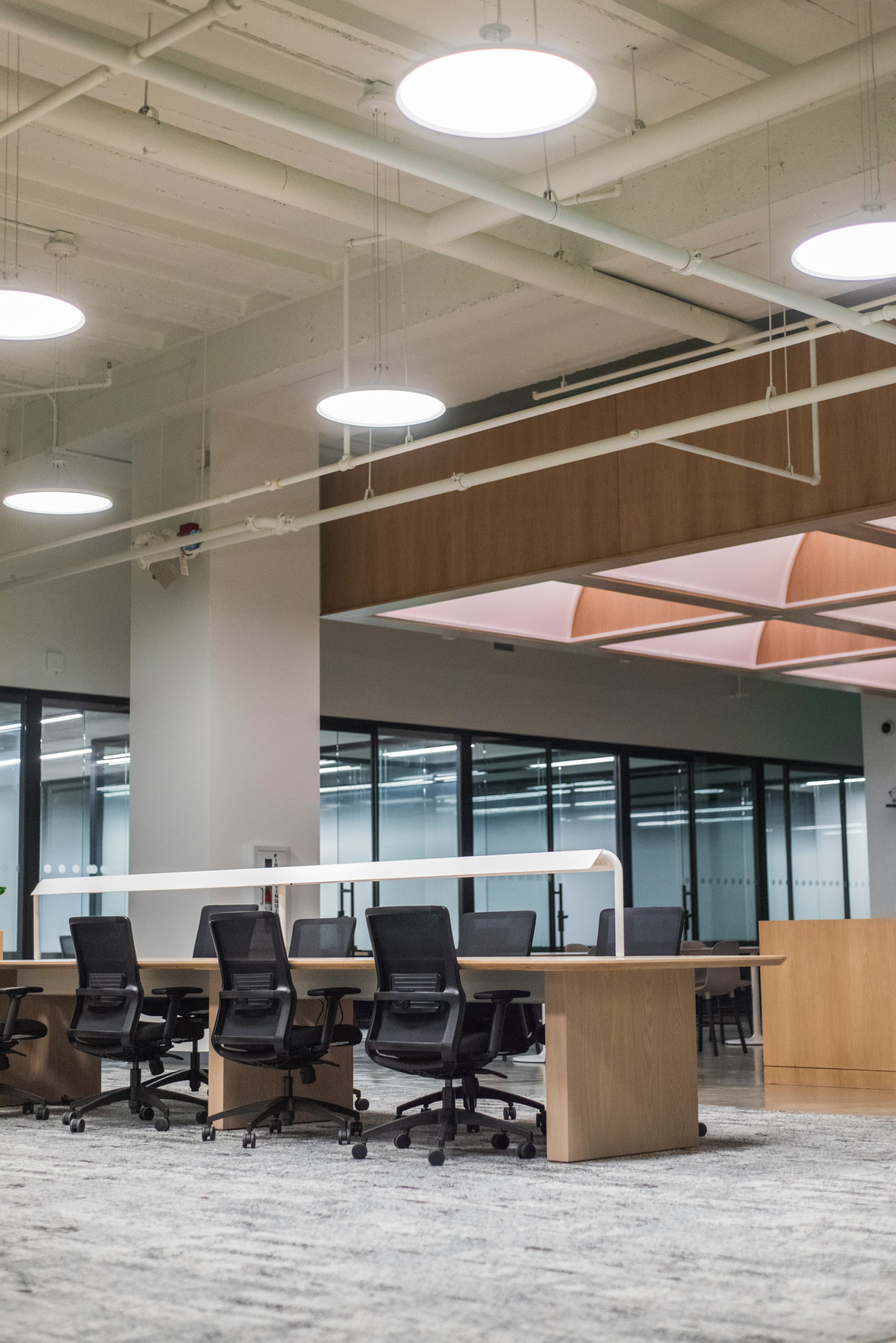
Example office fitout
For many occupiers, Make Good comes as an unwelcome shock at the end of a tenancy. For landlords, a poorly managed process can lead to prolonged vacancies, loss of rental income, or expensive legal disputes.
Average reinstatement costs in Australia often range from $100 to $350+ per square metre, depending on the extent of the fit-out and services altered.
For a standard 1,000 m² office or industrial space, a full reinstatement claim can easily top $350,000. Where base building plant and mechanical services have been significantly modified, costs escalate even higher.

Example shop fitout
Navigating lease-end negotiations smoothly requires proactive management and clarity on legal principles:
1. Baseline Condition Matters (Lease Commencement)
One of the most effective ways to avoid disputes at lease end is establishing a clear baseline at lease start. Preparing a comprehensive Schedule of Condition at commencement provides photographic and written evidence of pre-existing defects, preventing landlords from claiming pre-existing wear and protecting tenants from exaggerated claims.
2. Legal Limitations & "Actual Loss"
Landlords cannot simply demand cash settlements based on theoretical repair estimates if they intend to demolish or majorly redevelop the building immediately after tenancy. In several Australian jurisdictions, legal principles and statutory provisions limit claims to the actual loss suffered by the landlord. If a landlord plans to strip out the building for an upcoming redevelopment, demanding full reinstatement costs from an outgoing tenant may be legally untenable.
3. Sustainability & Waste Minimisation
With standard commercial leases averaging 5 years, approximately 20% of office fit-outs are demolished and sent to landfill annually. Modern commercial real estate practices emphasize circular economy principles, advocating for:
Reusing functional partition layouts and ceiling grids where feasible.
Early landlord-tenant negotiation to leave high-value fit-outs intact for incoming tenants.
Waste minimization strategies to lower environmental impact and save on disposal costs.
4. Early Engagement & Timelines
Waiting until the final month of a lease to address Make Good guarantees unnecessary friction. We recommend initiating dialogue 3 to 6 months prior to lease expiry.
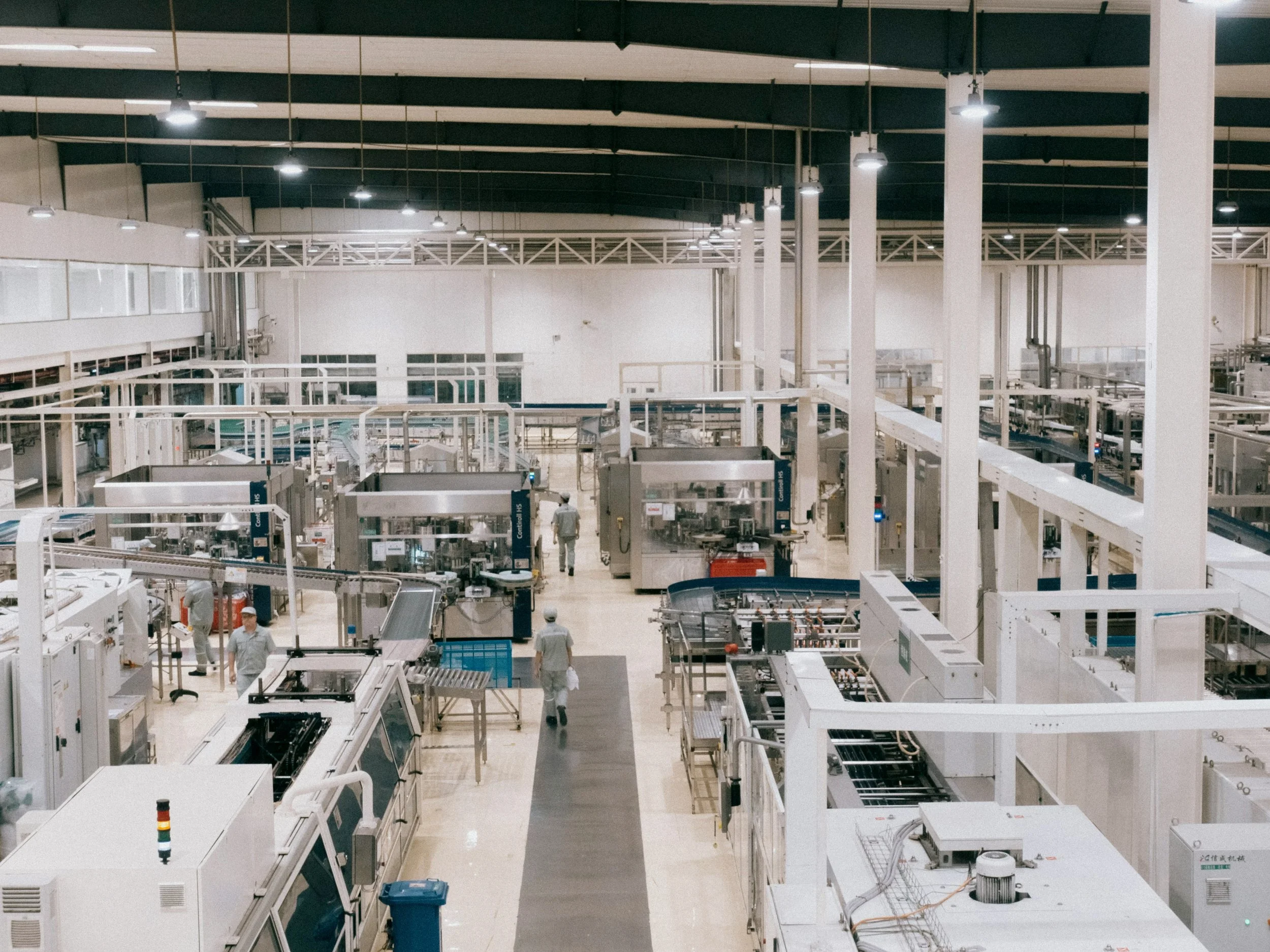
Example high spec industrial fitout
Managing the Risk: The LRM Approach
Whether you are negotiating a lease entry or resolving a complex terminal claim, independent advice ensures contractual clarity and protects your yield.
At LRM Property Advisory, we assist property owners, investors, and commercial occupiers across Melbourne, Geelong, Bendigo, and Ballarat with:
Schedules of Condition at Lease Entry: Documenting initial premises condition to limit future liability.
Terminal Make Good Schedules: Preparing itemized, evidence-backed scopes of work for landlords or reviewing claims for tenants.
Cost Quantification & Negotiation: Evaluating actual loss, assessing market rates, and negotiating fair settlements without costly litigation.
Project Management:
Managing the make good works for you to ensure its delivered as agreed and to a high standard.