
Cracking Up - The Geological Map of Geelong’s Commercial Stock
Geelong’s masonry is more than a backdrop; it’s a living seismograph. Beyond the storefronts, is a standing record of subterranean forces pushing, pulling, and shaping the city since its first stone was laid.
(5 minute read)
Why should a commercial investor care about soil types? Local geology can have a big impact on maintenance budgets and keeping your operating expenses in the black. Thorough technical due diligence is a key step to keep you investment in the black and avoid the sinkhole of structural remediation.
Geelong is a geological patchwork quilt. From the alluvial valley deposits of the Belmont hills to the older volcanics of the Portarlington, every commercial precinct sits on a different foundation signature.
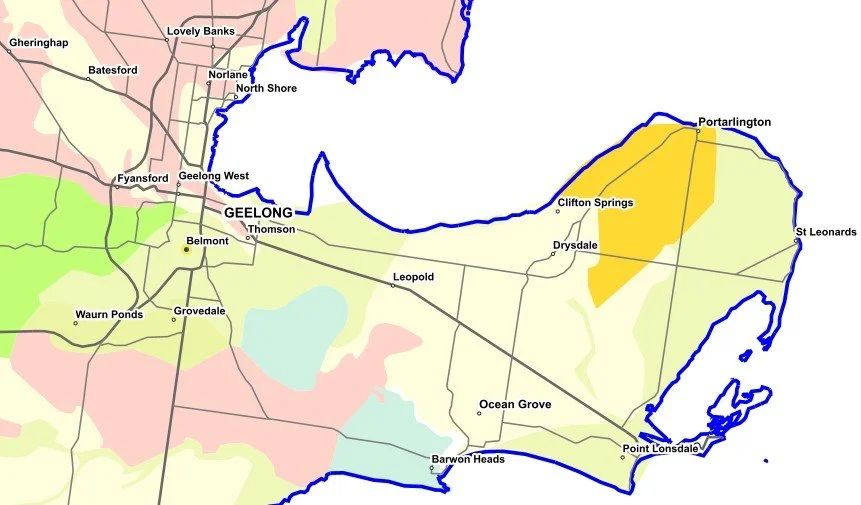
Extract from GeoVic
The Reactive Clay Struggle (The "Rise and Fall" of the Suburbs)
Much of Geelong’s commercial fringe sits on highly reactive volcanic clays. These soils act like a sponge. They swell significantly when wet and shrink when dry. Putting pressure on foundations, ground bearing slabs and superstructures.
The Property Risk: In older masonry commercial stock, this movement manifests as "stepped" cracking in mortar lines. Changing ground water conditions can give rise to new movement in buildings that have been in place for decades. For example, failed Victorian drains leak fluid into the soil causing it to swell and create new pressures on buildings that were once stable.
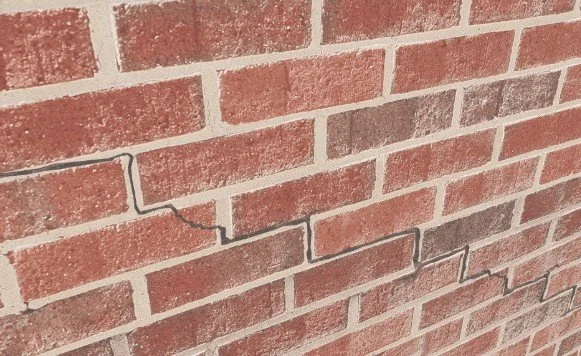
Step Cracking Due To Reactive Soil
The Alluvial Shift & The Barwon Margin
As we move toward the river and the lower-lying areas of South Geelong, we encounter alluvial deposits—softer, siltier soils left behind by ancient water courses. These areas were the heart of Geelong’s manufacturing boom, filled with heavy-set brick wool stores and warehouses.
The Property Risk: Differential settlement. Because these soils are less "stable" than the basalt plains, one corner of a heavy blue-stone or brick building may sink faster than the others. This puts stress on the internal timber or steel frames, leading to jammed fire doors, sloping floor plates, failed ground bearing slabs and compromised roof drainage systems.
The Concrete Cancer Era (1960s – 1980s)
Geelong’s post-war expansion saw a move away from solid masonry toward reinforced concrete frames. This era defined the look of our CBD. However, the proximity to Corio Bay introduces a new complication: Chloride.
Salt-laden air from the bay can penetrate concrete, reaching the steel reinforcement (rebar) inside. As the passive layer of the rebar is removed the steel corrodes, expands, "spalling" or popping the concrete off from the inside out.
The Property Risk: What looks like a simple rust stain on a concrete lintel or balcony is often a sign of long-term corrosion. If left untreated, the structural integrity of the load-bearing elements is compromised, leading to capital expenditure requirements that can reduce once appealing yield overnight.
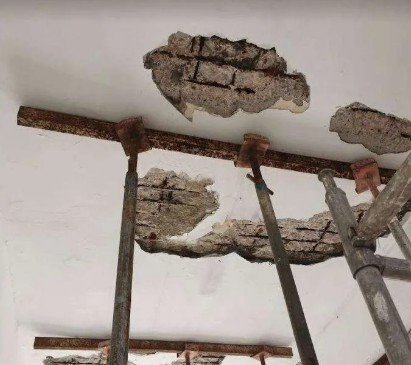
Spalling Reinforced Concrete Slab
The Port City Legacy (Fill & "Made Ground")
Geelong is a city built on its own history. Many CBD sites and waterfront precincts sit on made ground (areas where hollows were filled with industrial slag, quarry rubble, or uncontrolled fill) and during the early 1900s this was common to create level building platforms.
The Property Risk: Unpredictability and potentially contaminated imported fill. Unless a building has been piled to refusal (meaning the piles go all the way down to solid rock), it is is exposed to movement in the soil. For a developer looking to add a second story or a heavy plant room to the roof, or a medical practice looking to install an MRI or heavy piece of equipment, the unpredictable soil conditions can turn a simple project into an expensive issue.
Why Technical Due Diligence is Non-Negotiable
Making decisions from an informed standpoint is the difference between an asset and a liability. A standard building inspection might tell you a wall is cracked; we tell you why it happened, if the geology will make it worse, and what your exposure is.
In the Geelong market, you aren't just buying square meterage. You’re buying a piece of the local landscape. Make sure you know what that it has instore for you.
Disclaimer: The content provided in this article is for general informational purposes only. Every site is different and anyone seeking site specific advice should seek professional guidance.